
Many of us witness someone experiencing homelessness and wonder how this is possible, what circumstances brought them there, and what can be done to help. More than 40 years ago, the Sisters of St. Joseph in Troy, New York, found themselves asking those same questions. As they watched neighbors face cold nights, uncertain tomorrows, and the loneliness of navigating life without a place to call home, they were deeply moved to act. Their response was to open a small volunteer-run shelter that provided refuge from the elements and delivered a simple but profound message: You are our neighbors, deserving of dignity and compassion.
What they may not have realized was that they were lighting a flame that would burn long after that first shelter opened. More than four decades later, that same flame continues to illuminate the work of Joseph’s House & Shelter. What began as a small volunteer-run shelter has grown into a multi-site organization operating five locations and employing approximately 70 staff members. Yet despite that growth, the organization remains anchored in its commitment to providing non-judgmental services that help end homelessness.
That commitment to mission continues to unite the organization’s staff, volunteers, board members, and supporters.
“We stay rooted in our mission,” said Executive Director Amy LaFountain. “It’s what draws staff, board members, volunteers, and community supporters to Joseph’s House. It guides everything we do.”
“We stay rooted in our mission,” said Executive Director Amy LaFountain. “It’s what draws staff, board members, volunteers, and community supporters to Joseph’s House. It guides everything we do.”
Connection Comes First
At Joseph’s House, services begin with something many people take for granted: human connection.
Whether staff are meeting someone living in an encampment, welcoming a family into a shelter, or helping a resident transition into permanent housing, the first step is always the same: building trust.
“Our foundational approach is meeting people where they are,” LaFountain explained. “The timeline isn’t ours. It’s about building trust, getting to know people as human beings, and understanding what they want for their lives.”
While the ultimate goal is helping people access housing and supportive services, Joseph’s House understands that meaningful, lasting change rarely happens on someone else’s timetable. It begins one conversation, one relationship, and one act of trust at a time.
“Our foundational approach is meeting people where they are,” LaFountain explained. “The timeline isn’t ours. It’s about building trust, getting to know people as human beings, and understanding what they want for their lives.”
For LaFountain, connection is not simply one component of the work. It is the foundation upon which everything else is built.
“The people we work with are resilient,” she said. “They can tell the difference between compassion and pity. Connection has to come first.”
That distinction matters. Many of the people Joseph’s House serves have experienced judgment, rejection, or broken trust. For some, simply being greeted with kindness and respect is the first step toward rebuilding confidence, connection, and hope. LaFountain believes those connections are often built in the smallest moments, long before a housing application is completed or a service plan is developed.
“When one of our staff walks up to somebody, is the look on their face one of love, or one of pity?” she reflected. “The two can be confused at times.”
By fostering a culture grounded in compassion, dignity, and respect, Joseph’s House strives to ensure every person is treated not as a problem to be solved, but as a human being worthy of care. Meeting people where they are and allowing them to help shape their own path forward reinforces a belief that sits at the heart of the organization’s work. Every person has value, every voice deserves to be heard, and every story still has chapters left to be written.
“The people we work with are resilient,” she said. “They can tell the difference between compassion and pity. Connection has to come first.”
Building Trust is Only the Beginning
As relationships develop, Joseph’s House works alongside individuals and families to identify the resources and opportunities that can help them move forward. For some, that means connecting with healthcare, mental health services, or employment support. For others, it means finding safe and sustainable housing.
As the organization evolved, so did its understanding of how to address homelessness.
“Typically, people think you build another shelter,” said LaFountain. “No. You build housing.”
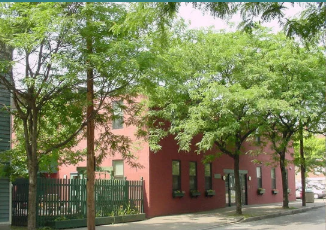
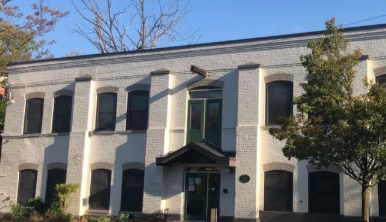
Today, Joseph’s House provides supportive housing programs that help people move beyond crisis and begin building a path toward a more secure future. More than shelter, housing offers a foundation from which people can rebuild routines, strengthen connections, and begin envisioning a future beyond day-to-day survival.
“Typically, people think you build another shelter,” said LaFountain. “No. You build housing.”
Today, Joseph’s House provides supportive housing programs that help people move beyond crisis and begin building a path toward a more secure future. More than shelter, housing offers a foundation from which people can rebuild routines, strengthen connections, and begin envisioning a future beyond day-to-day survival.
That vision was championed by former Executive Director Tracy Neitzel, who led the organization for 23 years and helped expand its housing initiatives throughout the region.
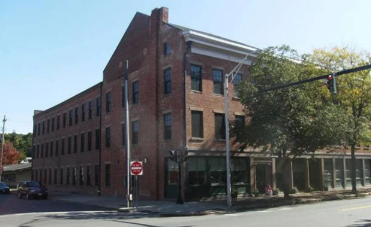
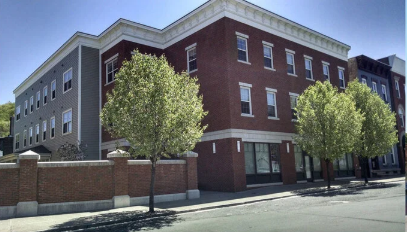
“Our buildings don’t have signs identifying them as programs,” LaFountain explained. “They’re apartment buildings. The people we serve are community members, and they should be integrated into the community.”
This fall, Joseph’s House will honor Neitzel’s legacy through the dedication of the Tracy Neitzel Training Room, ensuring her commitment to dignity, housing, and belonging continues to guide future generations.
“Our buildings don’t have signs identifying them as programs,” LaFountain explained. “They’re apartment buildings. The people we serve are community members, and they should be integrated into the community.”
Community Support is Critical
Ask LaFountain what a typical day looks like, and she laughs. Running an organization that provides around-the-clock services rarely follows a predictable schedule. Though she serves as Executive Director, her office is located on the first floor of an active program site, ensuring she remains closely connected to the people Joseph’s House serves every day. In fact, she keeps a pair of boots under her desk.
“If I have to go plunge a toilet, I will. If the cook isn’t here and there’s nobody else who can do it, I’ll go cook,” she said.
“I think the fact that the funds are unrestricted is life-saving,” LaFountain said. “It allows us to identify gaps and put funding where it is needed most.”
That mindset reflects a culture where titles matter less than teamwork and where everyone contributes to the same mission. It is a spirit of shared responsibility that extends beyond the organization’s walls, with the local community serving as a vital extension of the Joseph’s House team. Through the Hannaford Helps Reusable Bag Program, local shoppers have helped raise more than $2,558 thus far, providing flexible support where it is needed most.
“I think the fact that the funds are unrestricted is life-saving,” LaFountain said. “It allows us to identify gaps and put funding where it is needed most.”
“Every year we have to be strategic, creative, and dynamic,” LaFountain said. “These funds help us respond where the need is greatest.”
Those gaps become especially evident during Code Blue season, when Joseph’s House serves as the primary emergency shelter for Rensselaer County during periods of dangerously cold weather. As occupancy rises and the demand for food, staffing, utilities, and other resources grows, the Hannaford Helps Reusable Bag Program helps ensure that individuals seeking warmth, safety, and shelter have a place to turn.
“Every year we have to be strategic, creative, and dynamic,” LaFountain said. “These funds help us respond where the need is greatest.”
More Alike Than Different
While financial support helps sustain the organization’s work, LaFountain believes raising awareness can be just as valuable.
“I think sometimes awareness is the biggest thing,” she said.
The Hannaford Helps Reusable Bag Program introduces community members to organizations they may not have otherwise encountered. Even a simple interaction, such as purchasing a reusable bag at a local grocery store, can spark curiosity, start a conversation, or inspire someone to get involved.
“Sometimes it’s planting a seed,” LaFountain explained. “The next time someone hears about us, we’re no longer new. Maybe they’re open to an opportunity they wouldn’t have been open to previously.”
For LaFountain, raising awareness serves a larger purpose. Beyond introducing people to Joseph’s House and its mission, it helps foster understanding and reminds people that those experiencing homelessness are not defined by their circumstances. Too often, she believes, society views people experiencing homelessness as fundamentally different from everyone else.
“The people we serve are mothers, fathers, sisters, brothers, and friends,” she said. “Foundationally, they’re just like us. They want the same things you or I want.”
“The people we serve are mothers, fathers, sisters, brothers, and friends,” she said. “Foundationally, they’re just like us. They want the same things you or I want.”
She recalled a couple who met while navigating homelessness, found housing through supportive services, fell in love, and began building a life together, a reminder that people’s hopes and dreams do not disappear simply because they are facing difficult circumstances.
More than four decades after the Sisters of St. Joseph first responded to a need in their community, that belief continues to guide the work of Joseph’s House & Shelter. For those looking to make a difference, LaFountain’s advice is simple: “Talk about us when we’re not in the room.” Because every conversation builds awareness, every act of compassion strengthens community, and every effort to see the person beyond the circumstances helps create a world where everyone has the dignity, support, and sense of belonging they deserve.
Published October 28, 2026